Olive Varieties Grown in Australia
A guide to the olive varieties behind Australian extra virgin olive oil: Frantoio, Coratina, Picual, Arbequina, Barnea and more, and how each one tastes.
The variety of olive is the biggest single influence on how an oil tastes. Australian groves are planted mostly to Mediterranean cultivars, with a few varieties doing the heavy lifting. Once you know a handful of names, you can predict a bottle’s flavour before you open it: whether it will be mild and buttery, or green, bitter and peppery.
This is the hub for varieties. Below are the ones you will meet most often on Australian shelves, grouped by flavour intensity.
Delicate and mild
- Arbequina: Spanish, suited to modern high-density groves and widely planted here. Soft, buttery and gentle, with light fruit and a mild finish. A good starter oil and an easy everyday choice.
- Barnea: an Israeli variety planted widely across Australia in the olive boom. Fresh and green with tomato-leaf notes and only a mild pepperiness. A common Australian everyday oil.
Medium and balanced
- Frantoio: an Italian workhorse and a backbone of many Australian oils and blends. Green and grassy with a peppery finish and hints of almond. Good for both cooking and finishing.
- Hojiblanca: Spanish, used for oil and table olives. Medium, fruity and nutty with a fresh, slightly bitter close.
- Picual: Spanish, the most planted olive in the world and grown here too. Fuller bodied and stable, with ripe fruit and a green, woody edge. Versatile in the kitchen.
Bold and peppery
- Coratina: southern Italian and one of the highest in polyphenols, so it tastes markedly bitter and pungent. Sought out by people who want intensity and the antioxidants that come with it. Best used raw, drizzled over food.
Table olives that also make oil
Some varieties are grown mainly for eating rather than pressing. Manzanillo is Australia’s classic green table olive, though it can be pressed for oil too. The difference between a table olive and an oil olive comes down to fruit size, flesh, oil content and how the variety handles curing versus milling.
Single varietal or blend?
A single varietal oil is pressed from one type of olive, so it shows that variety’s character clearly. A blend mixes varieties to build balance and keep the flavour consistent from year to year. Neither is better by default: a blend can be an excellent everyday oil, while a single varietal is the one to reach for when you want to taste a specific style. This is worth understanding before you shop, and it is covered in single varietal vs blend.
How to use this
If you are choosing a bottle, pick the intensity to suit the job. A mild oil like Arbequina disappears into a cake or a mayonnaise. A peppery Coratina or Frantoio stands up as a finishing oil on soup, grilled vegetables or bread. The best way to learn your own preference is to taste a few side by side and notice the fruity, bitter and pungent notes.
Variety is only half the story. Where the olives grow and when they are picked matter too, which is why it helps to read about the growing regions and the grades alongside these profiles.
Explore Varieties
Arbequina Olive Oil
Arbequina olive oil is delicate, buttery and mild, common in Australian groves. Here is how it tastes and why it makes an easy everyday choice.
Barnea Olive Oil
Barnea is a medium-intensity Australian everyday olive oil with fresh green, tomato-leaf and grassy notes and a mild peppery finish. Here is how to use it.
Coratina Olive Oil
Coratina olive oil is intensely bitter and peppery, high in polyphenols and widely grown in Australia. Here is how it tastes and how to use it.
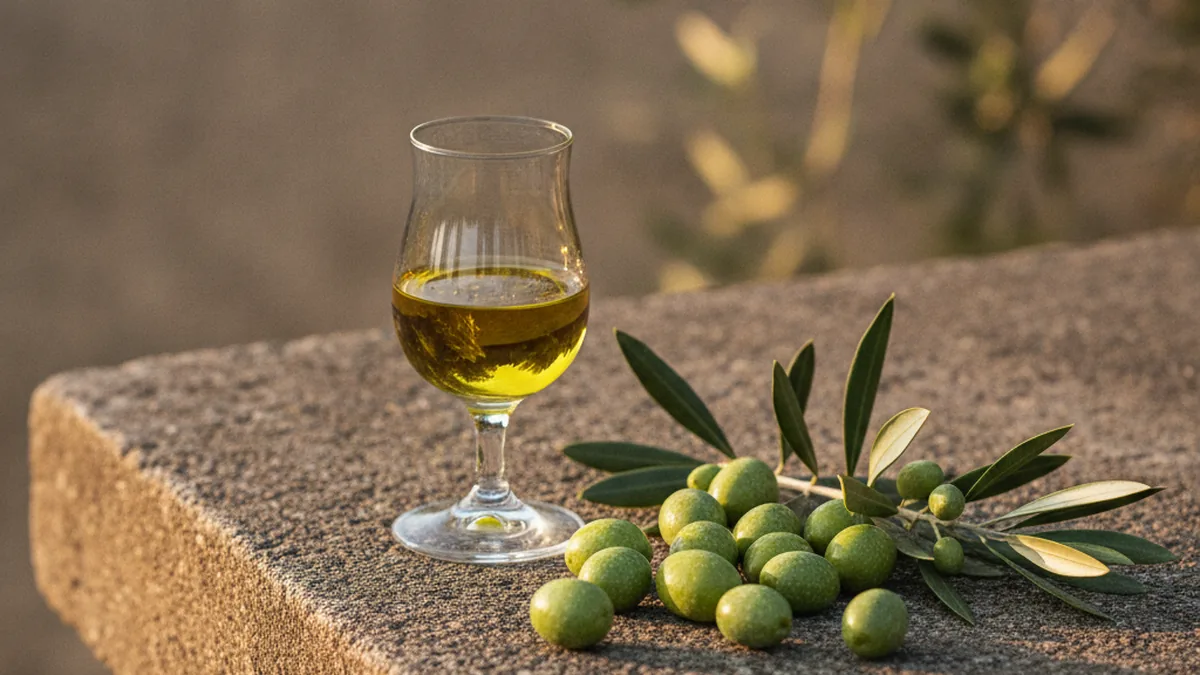
Frantoio Olive Oil
Frantoio olive oil is a green, peppery Italian style widely grown in Australia. Here is how it tastes and the best ways to cook with it.
Hojiblanca Olive Oil
Hojiblanca is a medium, fruity and nutty Spanish olive oil grown in Australia. Balanced with a fresh, slightly bitter finish, it works for cooking and finishing.
Manzanillo: Australia's Favourite Table Olive
Manzanillo is the classic green Spanish-style table olive, also pressed for oil. Learn why some olives suit the table, others the press, and where it fits here.
Picual Olive Oil
Picual olive oil is a robust, stable Spanish style grown in Australia too. Here is how it tastes, why it keeps well and the best ways to cook with it.
Single Varietal vs Blend Olive Oil
What single varietal and blend olive oil mean, why producers blend for balance and consistency, when a single varietal is worth seeking out, and how to read labels.